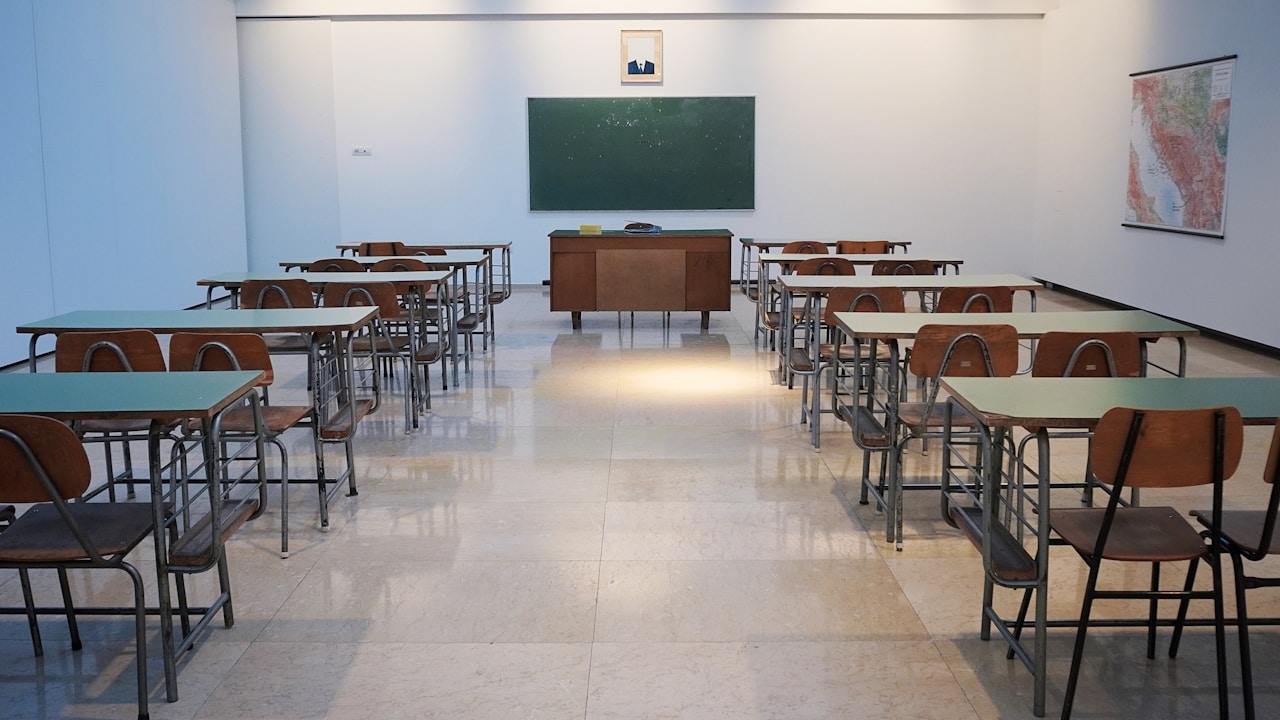
 35 Classes
 291 Students
The Applied Behavior Analysis Technician (ABAT®) credential is an internationally recognized certification issued by the QABA® (Qualified Applied Behavior Analysis Credentialing Board). It is designed for paraprofessionals working under the supervision of qualified behavior analysts to implement ABA-based therapy programs for individuals with autism and behavioral challenges.
ABAT® certification validates your competency in applying evidence-based ABA techniques and opens doors to rewarding careers worldwide — including India, the UAE, the UK, and the USA. No prior ABA experience is required — just a high school diploma and the drive to make a difference.
High school diploma or equivalent. No prior ABA experience required.
40 hours of QABA®-approved training required before sitting the exam.
125 questions • 2 hours • 72% pass mark • $125 USD exam fee
Renew every 2 years with 12 CEUs. Must work under supervision of a QBA or QABA.

Award Winning Chemical & User Interface Design Training
 35 Classes
 India & UAE Experience
Sumaiya Fathima holds dual certifications — QBA (QABA Board) and IBA (IBAO Board) — along with a Master's degree from FIT USA. With over a decade of clinical practice across India and the UAE, she brings real-world ABA expertise directly into every training session at Behavior Craft Academy.
The ABAT® program at Behavior Craft Academy gave me everything I needed — structured modules, practicum hours, and exam prep. I cleared the ABAT® exam on my first attempt!
Sumaiya Fathima's teaching style is exceptional. She breaks down complex ABA concepts into practical, easy-to-apply techniques. The career support after certification is outstanding.
I was a shadow teacher before this program. After completing ABAT® certification here, I now work as an ABA therapist at a reputed autism center in Dubai. Truly life-changing!

40 hours theory + 15 hours supervised practicum • 3 months • Online live sessions (2×/week)
Core ABA principles, history, and theoretical foundations.
Recording, graphing, and interpreting behavioral data accurately.
Teaching new skills using DTT, NET, and other ABA strategies.
Identifying, analyzing, and reducing challenging behaviors ethically.
Session notes, progress reports, and clinical documentation standards.
Ethics, professional boundaries, supervision, and BACB® guidelines.
De-escalation, safety planning, and crisis intervention protocols.
Hands-on practicum under direct supervision of a certified behavior analyst.
ABA programs are tailored to meet the individual needs of each child. They can focus on various areas such as:
Teaching language skills, from basic requests to more complex conversations.
Helping children learn how to interact with others, make eye contact, share, and take turns.
Teaching practical life skills such as dressing, toileting, and grooming.
Reducing behaviors that are harmful or interfere with learning and social interactions.
A trained ABA therapist conducts an assessment to identify the child's strengths, challenges, and target behaviors.
Based on the assessment, individualized goals are created to improve communication, social skills, and other developmental areas.
ABA therapy often involves highly structured sessions where skills are targeted by being broken down into small, manageable steps.
Progress is monitored closely, and interventions are adjusted as needed based on the child's response.
Students Trained
Years Experience
Training Hours
ABAT® Ready Graduates